
Understanding Luxury Real Estate: A Comprehensive Guide
Discovering the essence of luxury real estate — what defines it, how it works, and what buyers and sellers need to know to succeed.
Luxury real estate is a world unto itself — with its own rules, its own language, and its own particular rewards and challenges. For those who are new to this market, understanding its fundamental characteristics is the essential first step.
What Defines Luxury Real Estate
The definition of luxury real estate varies by market, but in Beverly Hills and Los Angeles, several characteristics consistently distinguish luxury properties from conventional ones:
Price point. In Beverly Hills, the luxury market generally begins at $3 million, with the ultra-luxury segment starting at $10 million. These thresholds reflect the local market and would be different in other cities.
Quality of construction and finish. Luxury properties are built and finished to a standard that goes significantly beyond conventional construction. The materials are superior, the craftsmanship is more precise, and the attention to detail is more thorough.
Location and setting. Luxury properties occupy the most desirable locations — the finest streets, the best views, the most private settings. Location is the one attribute that cannot be manufactured or improved.
Amenities and features. Resort-quality pools, home theaters, wine cellars, smart home technology, and staff quarters are among the amenities that distinguish luxury properties from conventional ones.
Architectural significance. Many luxury properties have genuine architectural distinction — either as examples of significant historical styles or as contemporary architectural statements.
How the Luxury Market Works
The luxury market operates differently from the conventional market in several important ways:
Longer marketing periods. The pool of qualified buyers for a $10 million property is significantly smaller than the pool for a $1 million property. This means that luxury properties typically take longer to sell — and that patience is a virtue for sellers.
More complex transactions. Luxury transactions often involve more complex negotiations, more sophisticated due diligence, and more parties than conventional transactions. Having experienced advisors on both sides is essential.
Greater importance of relationships. As I have noted elsewhere, the luxury market is relationship-driven. The best properties and the best buyers are often connected through private networks rather than public platforms.
Higher stakes. The financial consequences of mistakes in the luxury market are proportionally larger. Overpricing, poor presentation, or inadequate due diligence can cost sellers hundreds of thousands of dollars or more.
What Success Looks Like
Success in the luxury market — whether buying or selling — is the result of preparation, expertise, and the right relationships. For sellers, it means achieving the best possible price in a reasonable timeframe. For buyers, it means finding the right property at the right price and completing the transaction smoothly.
I have been helping clients achieve these outcomes in Beverly Hills for many years, and I would be honored to bring that experience to your transaction.
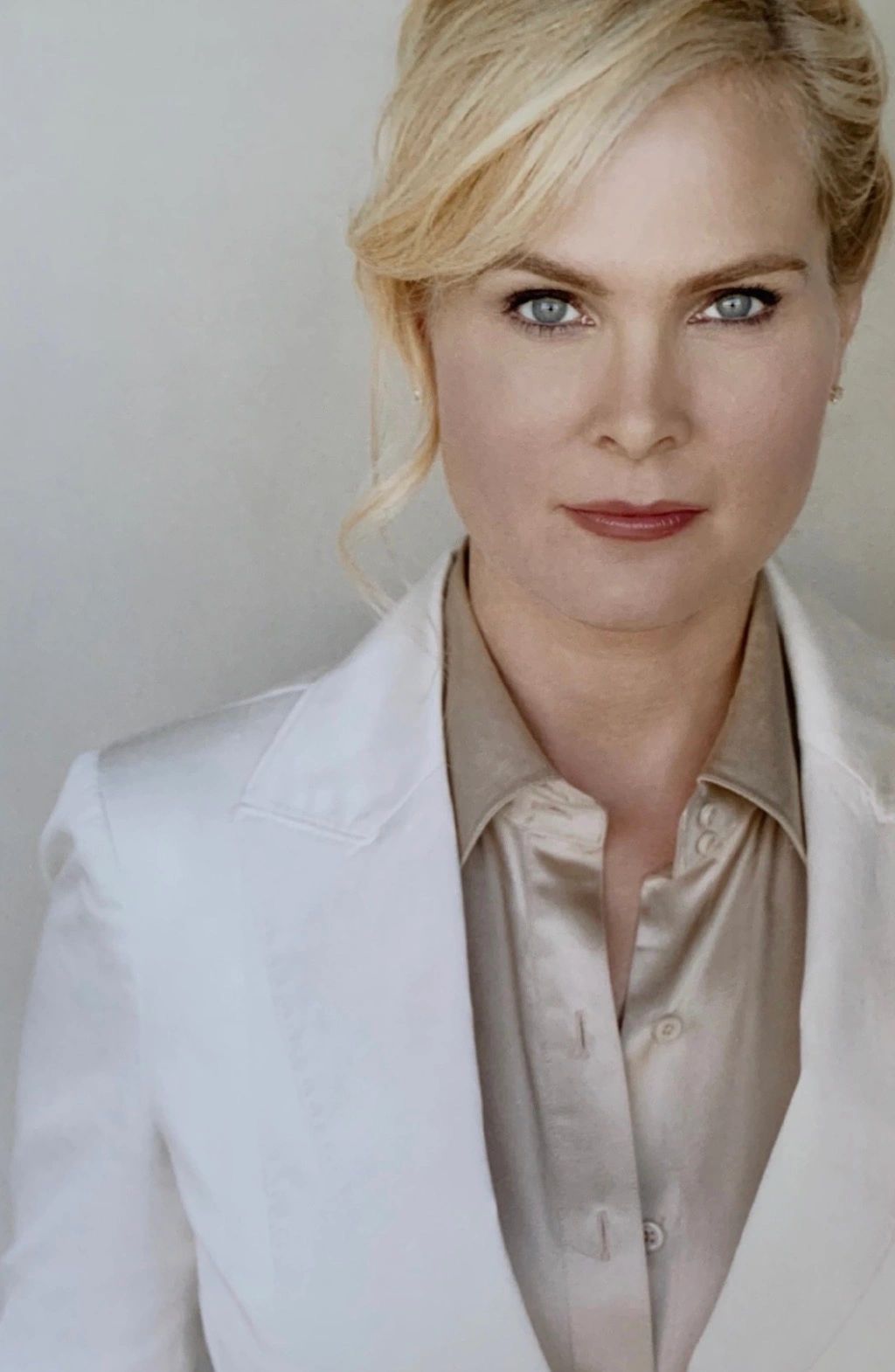
Carmen Berg
Luxury Real Estate Advisor · DRE #01869722


