
Resilience of Luxury in Real Estate Markets
Discover the resilience of luxury real estate — why high-end properties consistently outperform the broader market through economic cycles.
One of the most consistent observations in real estate economics is the relative resilience of the luxury segment during periods of broader market stress. While conventional real estate markets can experience significant corrections during economic downturns, the luxury market — particularly at the ultra-high end — tends to demonstrate greater stability.
Understanding why this is the case is important for anyone who is considering luxury real estate as an investment.
The Structural Reasons for Resilience
Cash buyers dominate. At the luxury tier, a significant proportion of transactions are cash purchases. Buyers who are not dependent on financing are insulated from the interest rate sensitivity that drives volatility in the broader market. When rates rise and conventional buyers are priced out, luxury buyers — who are often paying cash — are largely unaffected.
Scarcity is structural. The supply of trophy properties in Beverly Hills, Bel Air, and Holmby Hills is permanently constrained. Unlike the broader housing market, where supply can respond to demand over time, the supply of the most desirable luxury properties cannot increase. This structural scarcity provides a floor under prices that the broader market does not have.
Global demand provides diversification. The buyer pool for Beverly Hills luxury real estate is global. When domestic demand softens, international buyers — from Europe, the Middle East, Asia, and Latin America — often step in. This diversification of demand reduces the market's sensitivity to any single economic or political event.
Wealth concentration at the top. The concentration of wealth among the world's highest earners has increased significantly over the past several decades. The pool of potential buyers for ultra-luxury properties has grown, even as the supply of those properties has remained constant.
Historical Evidence
The historical record supports the resilience thesis. During the 2008-2009 financial crisis, Beverly Hills luxury properties experienced price declines that were significantly smaller than those in the broader market. During the COVID-19 pandemic, the luxury market in Beverly Hills actually strengthened, as wealthy buyers sought larger homes with more outdoor space.
This does not mean that luxury real estate is immune to market forces. Prices can and do decline during severe economic stress. But the declines tend to be smaller, the recoveries tend to be faster, and the long-term appreciation tends to be stronger.
The Investment Implication
For buyers who are considering luxury real estate as an investment — or as a store of value alongside other asset classes — the resilience of the luxury market is a meaningful consideration.
Beverly Hills real estate has delivered strong long-term appreciation over decades, with relatively limited downside volatility. For buyers who are taking a long-term view, this combination of appreciation potential and resilience makes it a compelling addition to a diversified portfolio.
I am always glad to discuss the investment case for Beverly Hills real estate with buyers who are evaluating their options.
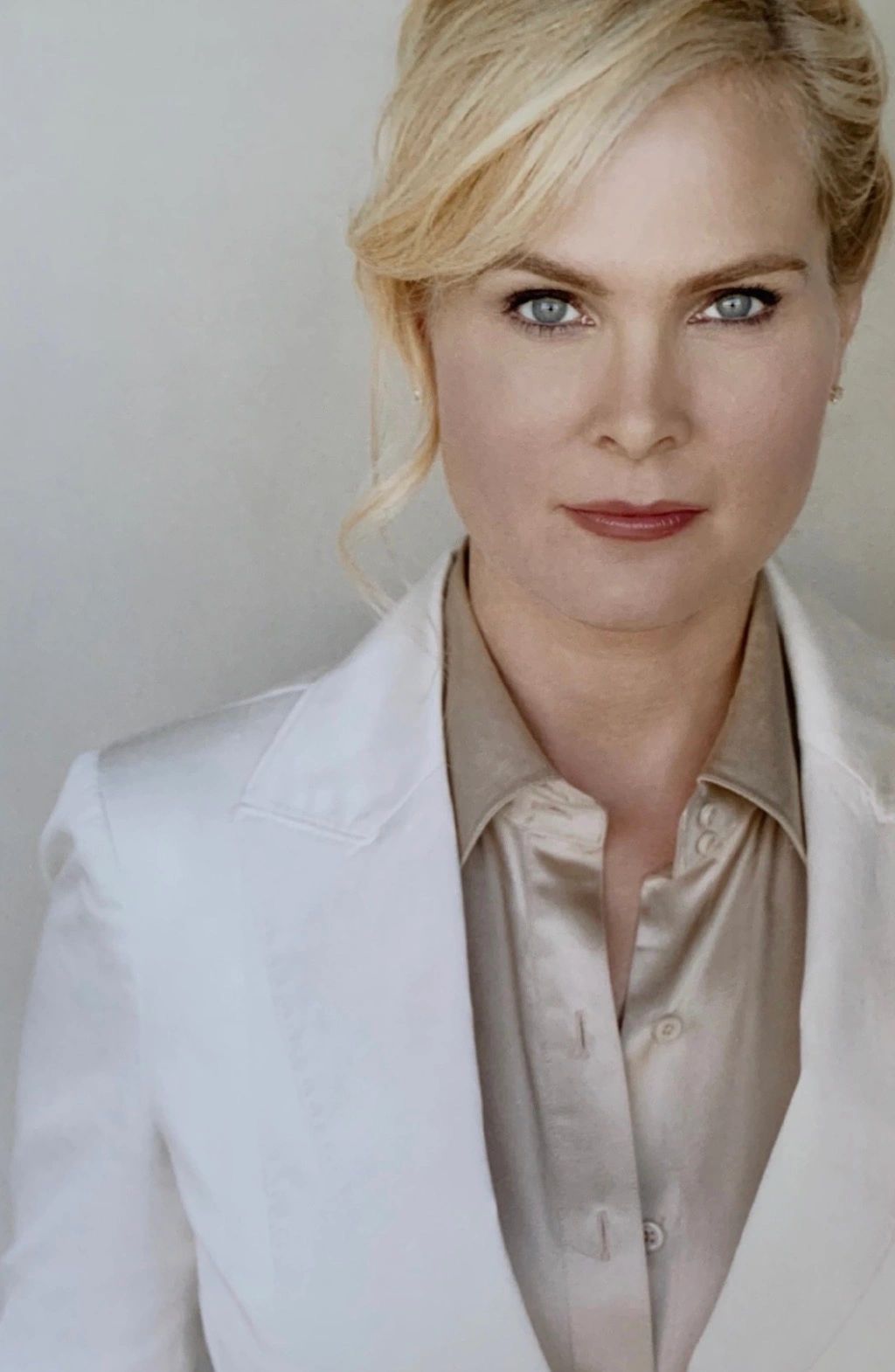
Carmen Berg
Luxury Real Estate Advisor · DRE #01869722


