
Mastering Luxury Real Estate: A Comprehensive Guide
Unveiling the world of luxury real estate — a comprehensive guide to understanding, navigating, and succeeding in the high-end property market.
Luxury real estate operates by different rules than the conventional market. The buyers are different, the sellers are different, the properties are different, and the process is different. Understanding these distinctions is the foundation of success — whether you are buying, selling, or investing.
Defining Luxury Real Estate
The term "luxury real estate" is used loosely, but in the context of Beverly Hills and Los Angeles, it typically refers to properties priced above $3 million — with the ultra-luxury segment beginning at $10 million and the trophy tier at $20 million and above.
At each level, the expectations, the buyer profiles, and the marketing approaches differ significantly. Understanding where a property sits in this hierarchy is essential for positioning it correctly.
The Buyer Profile
Luxury buyers are not a monolithic group. They include:
First-generation wealth creators — technology founders, entertainment executives, and entrepreneurs who have built significant wealth and are entering the luxury market for the first time. These buyers are often sophisticated about their primary business but may be less experienced in real estate.
Established wealth — families and individuals who have been active in the luxury market for decades and have clear, specific criteria for what they are looking for. These buyers are patient, selective, and decisive when they find the right property.
International buyers — individuals and families from outside the United States who are seeking a Los Angeles base. These buyers often have specific cultural and lifestyle requirements and may need guidance on the legal and financial aspects of US real estate ownership.
Investors — buyers who view luxury real estate as an asset class and are making decisions based on long-term value preservation and appreciation potential.
The Selling Process
Selling a luxury property is fundamentally different from selling a conventional home. The marketing must be targeted, not broadcast. The buyer pool is small and global. The timeline is longer. And the stakes — financial and reputational — are higher.
The key elements of a successful luxury sale include:
Accurate pricing. Overpricing is the most common mistake luxury sellers make. A property that is priced above the market will sit, accumulate days on market, and ultimately sell for less than it would have if priced correctly from the outset.
Exceptional presentation. Professional photography, videography, and staging are non-negotiable. The first impression a buyer forms of a property is almost always online, and the quality of the visual presentation determines whether they will request a showing.
Targeted marketing. Luxury buyers are not found through mass marketing. They are reached through targeted outreach — to qualified buyers, to their advisors, and through the private networks that operate below the surface of the public market.
Expert negotiation. Luxury transactions involve complex negotiations that go beyond price. Terms, contingencies, timelines, and the management of multiple parties all require expertise and experience.
The Buying Process
For buyers, the luxury market rewards preparation and decisiveness. The best properties move quickly, and buyers who are not ready to act when the right property appears will lose it.
Preparation means having your financing in order, having a clear sense of your criteria, and working with an advisor who has access to the full range of available properties — including those that are not publicly listed.
I would be glad to guide you through either process. Whether you are buying or selling, my goal is the same: to deliver the best possible outcome for you.
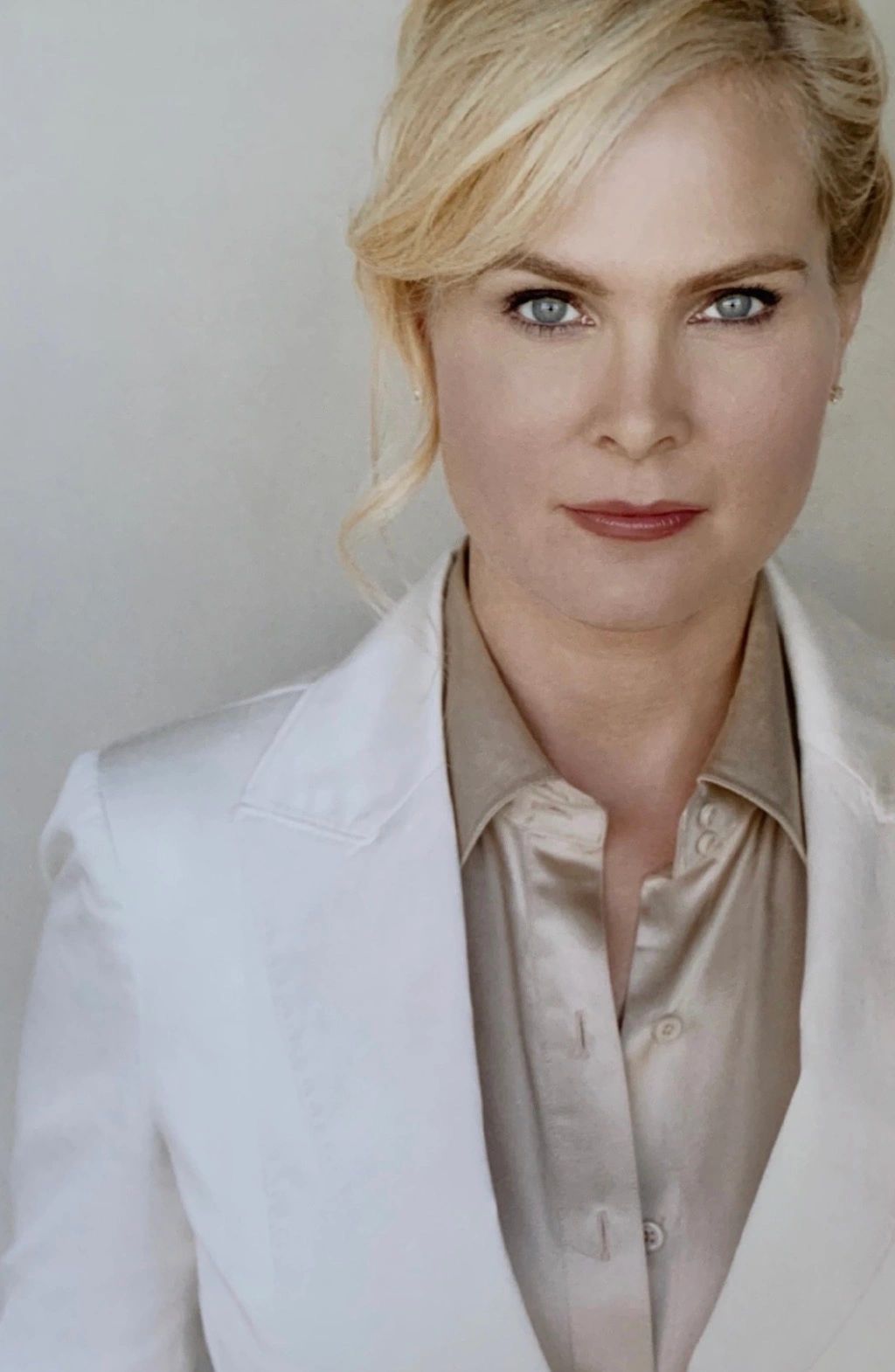
Carmen Berg
Luxury Real Estate Advisor · DRE #01869722


